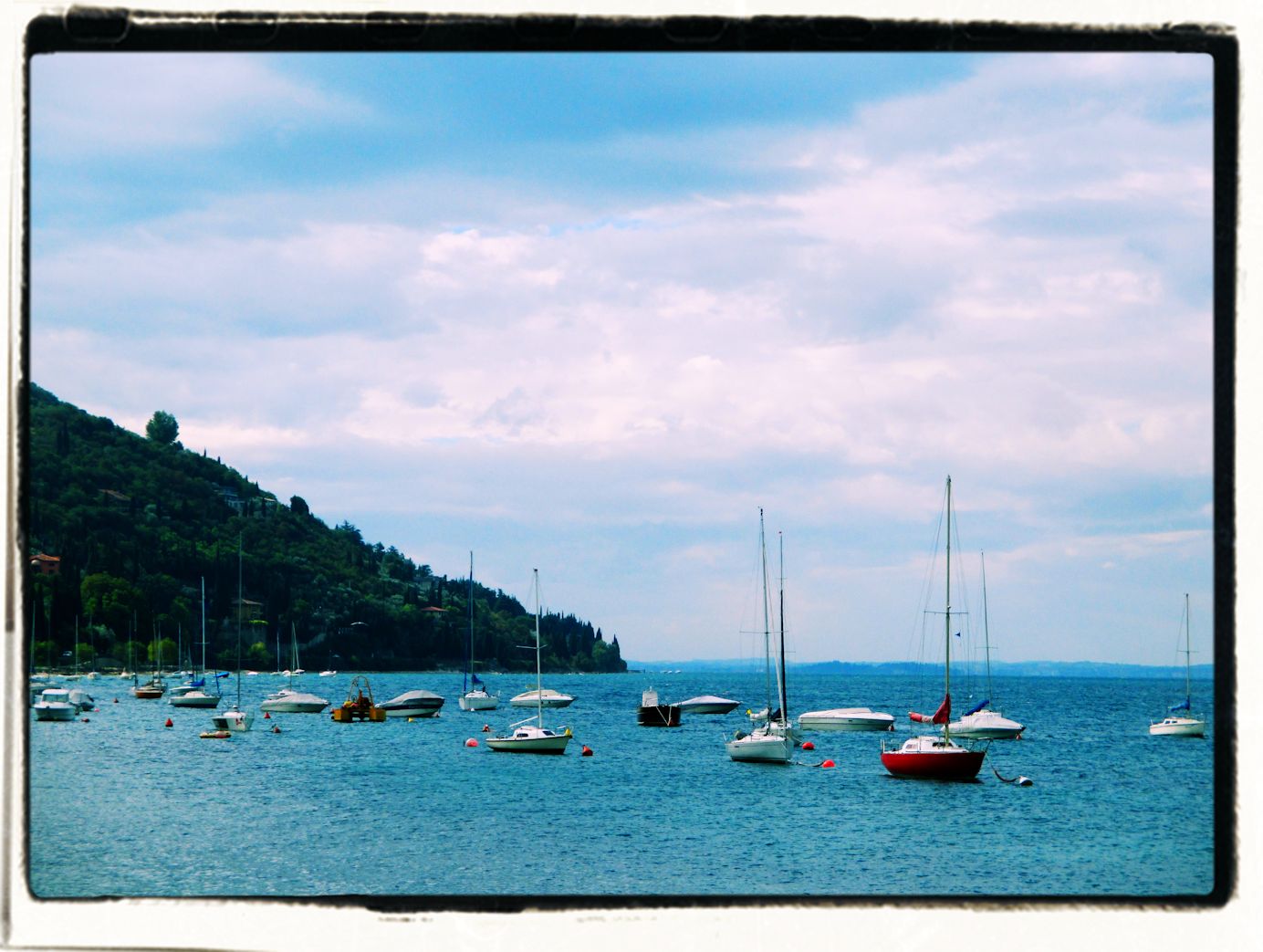
I've been too sad and too busy with the current environmental meltdown here to blog. Mostly too sad. After gathering data on the human health effects, putting that together with some other concerned residents, and sending it out to everyone, including the governor, and attending various meetings, the upshot is...not much. The human health effects were deliberately ignored, as was a state of emergency, because key officials did not want to "scare away the tourists", and tourism is the biggest part of our economy. I don't think they realize that we now have extensive social media and all it takes is one unhappy, ill tourist to send images of the current horror all over the world. It's better to face up to our addiction to pollution and environmental exploitation and get into recovery! Now!
The only photos I have are so sad I can't even upload them from my camera. Maybe someday. I do have some links on the human health effects of cyanobacteria,which we have here. These "demons of the ancient world" are ironically the reason we are all here- billions of years ago, they created our oxygen-rich atmosphere! But today, they are back, and are quite a scourge to life on land and water:
http://epa.ohio.gov/Portals/28/documents/HABs/Publications/cynobacteriahabs.pdf
Interestingly, another species of cyanobacteria has been found in Greenland, on the ice, greatly accelerating the loss of that ice by making it dark, pockmarked, and mushy so it absorbs more sunlight. Their little homes are called cryoconites, if you want to Google that. Maybe cyanobacteria are Gaia's way of voting us off the island???
I'll be back next week with proper posts on mesembs, including some new ones I am growing, and of course, the News for Tillies.